Festivals & Holidays
Essential Information For Sri Lanka
The numerous festivals in Sri Lanka illustrate the religious diversity of the island. The patron saint of the churches on the west coast, the landmarks associated with the spread of Buddhism, the temples of the different gods of the island together with Hindu shrines weave a fabric of commemorative festivals, which provide an opportunity for people to come together in large numbers.
The traditional Buddhist and Hindu religious calendars follow a cycle associated with the moon and the sun of 12 months, adding an extra month every two to three years. In this way, they always take place in the same season, with a difference of a few days from one year to the next. The year begins in spring (March-April).
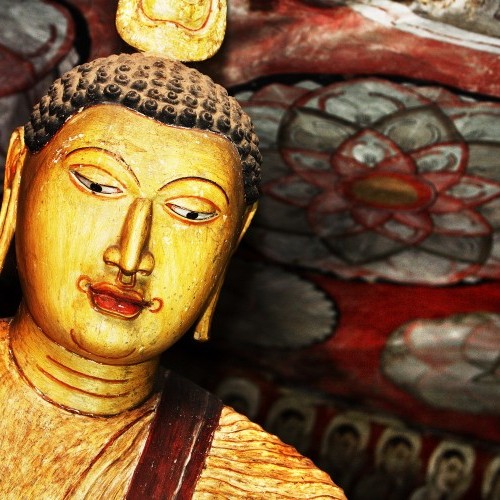
The Buddha was born, experienced Enlightenment and Parinirvana ('final extinction') on a day with a full moon, with the result that each full moon (Poya) is a public holiday on which Buddhists hold special ceremonies. On such a day, devotees go to the temple to make offerings (flowers, oil lamps, etc.) and listen to sermons and blessings performed by the monks.
Most shops, all government offices and some sites are closed on Poya days and religious holidays. In addition, alcohol is not served in most hotels, restaurants and bars, and cannot be purchased at liquor stores or supermarkets.
| Mar - Apr | Bak | The traditional New Year (Avurudu), common to Buddhists and Hindus, is now fixed on 14 April and can last for a week. This is a family festival, an occasion to exchange presents and eat traditional dishes. The Christian fishermen of the west coast celebrate the Passion at Easter. |
|---|---|---|
| Apr - May | Wesak | The full moon of Wesak is the most important Buddhist festival of the year and the following day is also a public holiday. It commemorates the Birth, Enlightenment and Parinirvana of the Buddha, which took place on this day. Devotees go to the temple, offer gifts to the monks and listen to their sermons. Lamps made of clay or paper are lit in front of the house, and towns and villages have platforms decorated with scenes of the life of the Buddha. As in other parts of the world, May Day (1 May) is also a holiday. |
| May - Jun | Poson | The full moon of Poson commemorates the arrival of Mahinda and the introduction of Buddhism to the island, a time of important pilgrimages to Mihintale and Anuradhapura. |
| Jun - Jul | Esala | The full moon of Esala celebrates the day when the Buddha preached his first sermon. This is the important time of the Esala Perahera in Kandy, an extravagant elephant parade honouring the Sacred Tooth of the Buddha, which lasts 10 days (mostly celebrated in August leading up to the Nikini full moon). |
| Jul - Aug | Nikini | The full moon of Nikini marks the start of the Buddhist period of fasting, a time of retreat for the monastic communities. The Vel festival, held in Colombo and Jaffna, is to honour the Hindu God of War, Skanda, who rides his gilded chariot complete with his vel (trident). Another important Hindu festival is held at Kataragama, where devotees undergo purification rituals including fire walking and bodily mortification. |
| Aug - Sep | Binara | The full moon of Binara celebrates the time when the Buddha pronounced a sermon to the heaven of the Thirty Three gods. |
| Sep - Oct | Vap | The full moon of Vap marks the end of the Buddhist fasting period. |
| Oct - Nov | Ill | The full moon of Ill is Deepavali, the Hindu festival of lights, which commemorates the return from exile of Rama, the hero of the Ramayana. Oil lamps are lit in each Tamil household and fireworks light the sky. |
| Nov - Dec | Unduvap | The full moon of Unduvap commemorates the coming of Sanghamitta, Emperor Asoka’s daughter, with a cutting from the Bodhi tree from India, a time of lustration ceremonies in all the courtyards (“bodhighara”) in the country, particularly in Anuradhapura where the sacred Bo tree resides. |
| Dec - Jan | Duruthu | The full moon of Duruthu, when the Buddha is believed to have visited the island, is preceded by a perahera lasting several days at Kelaniya near Colombo. For four days, Hindus celebrate Thai Pongal, to honour the Sun God, the traditional period of the changing of the season in the farming calendar. Christmas Day (25 December) is a holiday. Duruthu marks the beginning of three months of pilgrimage to Adam’s Peak (Sri Pada). |
| Jan - Feb | Navam | The full moon of Navam is an occasion for a perahera at the Buddhist temple of Gangaramaya in Colombo. National Day (4 February) celebrates independence from Britain and features parades, dances and national games all over the country. |
| Feb - Mar | Madin | Maha Shiva Ratri marks the night when the god Shiva danced his celestial dance of destruction (Tandava), which his devotees celebrate with feasting and fairs. It takes place in all large Hindu temples on the island dedicated to Shiva, preceded by a night of devotional readings and hymn singing. |