Price
From £2,045 per person.
Includes B&B or H/B accommodation, a/c transport with chauffeur guide or transfers, entrance fees & activities, and taxes.
Arrive Colombo airport and greeted by your dedicated Tikalanka chauffeur guide.
Head north into the island's Cultural Triangle to Anuradhapura, the first capital of ancient Lanka in the 3rd century BCE.
Three nights at Maho Boutique Hotel, which is a family-owned and run bijou boutique retreat in a tranquil and secluded rural setting on the outskirts of the ancient city, a real gem with just three architect-designed, exquisite chalets overlooking the verdant tropical garden and inviting swimming pool.
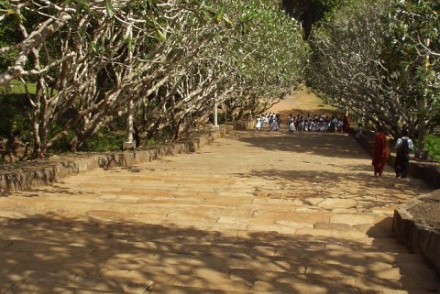
Visit the hilltop temple of Mihintale, the cradle of Buddhism in Sri Lanka.
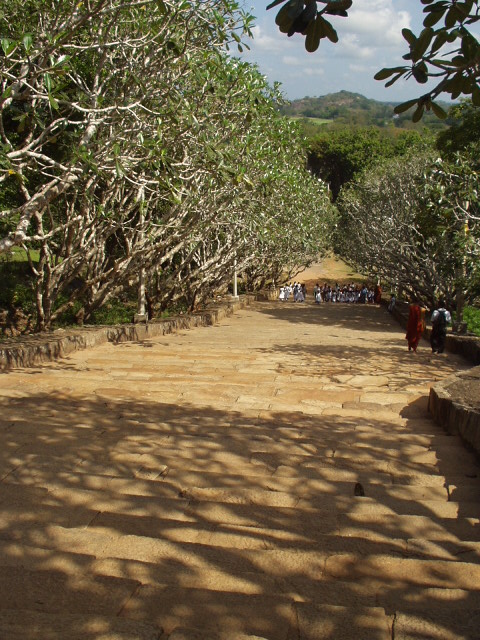
Beginning at the Vejja Sala (hospital), the guided walking tour climbs via the 2nd Century BCE Kantaka Chetiya, one of the earliest religious monuments on the island, Et Vihara (‘Stupa of the Elephants’), Kaludiya Pokuna (‘Pond of the Black Water’), the ruins of the original monastery, and the Mihintale Tablets, to the summit where the monk, Mahinda, converted King Tissa to Buddhism in 243 BCE.
The summit contains the Ambasthala Dagoba (‘Mango Tree Temple’), Aradhana Gala (‘Rock of Convocation’), the 1st Century BCE Mahaseya Dagoba, the largest stupa in Mihintale, Naga Pokuna (‘Cobra Pool’) and Sinha Pokuna (‘Lion Pool’).
Above them all towers the enormous boulder that covers Mihindu Guha (‘Mahinda's Bed’), which affords panoramic views of the surrounding countryside.
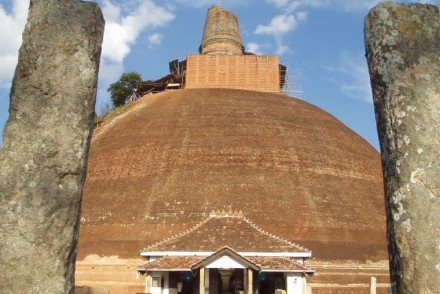
Guided tour of the ancient city of Anuradhapura, with visits to the preserved and partially restored ruins of the three principal monasteries: Mahavihara, Abhayagiriya and Jetavanarama.
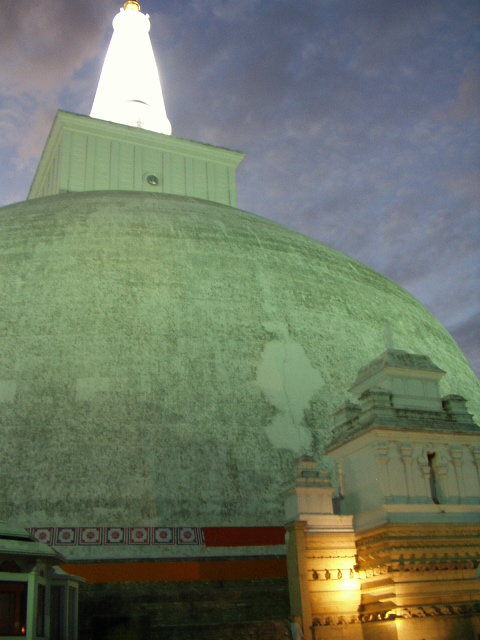
Mahavihara is the oldest monastic complex, dating back to the introduction of Buddhism to Sri Lanka in the 3rd century BCE. It is best visited towards the end of the day to absorb the spiritual atmosphere of Ruvanveliseya Dagoba and Sri Maha Bodhi, the oldest recorded tree in the world, at nightfall. The other main sites are Thuparama Dagoba and Loha Pasada (‘Brazen Palace’).
Abhayagiriya was built by King Vattagamani Abhaya between 89 and 77 BCE in honour of the monk Mahatissa, who had helped him regain the throne but had been excluded from Mahavihara. Mahatissa became abbot of the new monastery, which housed 500 renegade monks from Mahavihara. The Uttara Vihara, or Northern Monastery, was later renamed Abhayagiriya Vihara after the king. The main sites to visit are Abhayagiriya Dagoba, Samadhi Buddha, Kuttam Pokuna, Mahasena’s Palace and Ratnaprasada.
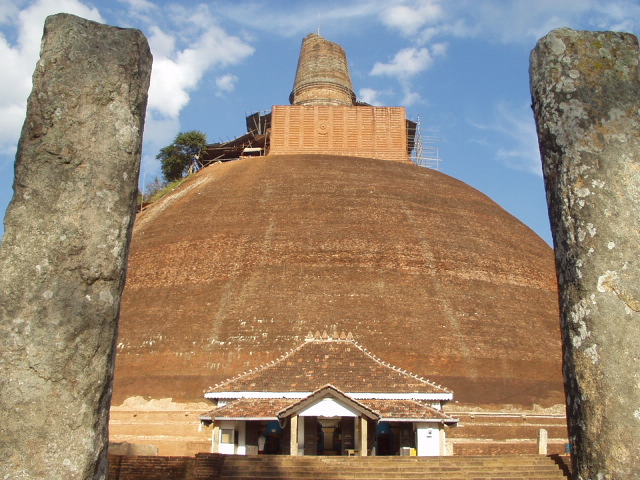
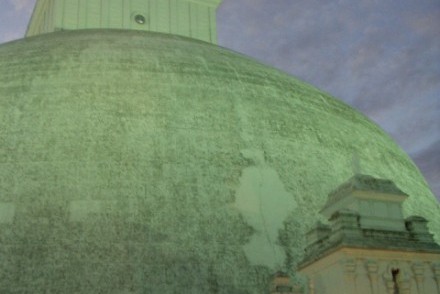
Jetavanarama is the largest complete dagoba in the world, towering some 120 metres over all the other buildings in the city. It was the last of the great monasteries to be built in the capital and took 24 years and 10 million bricks to build. The dome is still intact but overgrown and is currently being restored. Amongst other relics, the dagoba purportedly contains the alms bowl and belt of the Buddha.
Other sites of interest include Isurumuniya Vihara, Mirisavatiya Dagoba, the Royal Pleasure Gardens, the Citadel complex, and the Archaeological and Folk Museums.
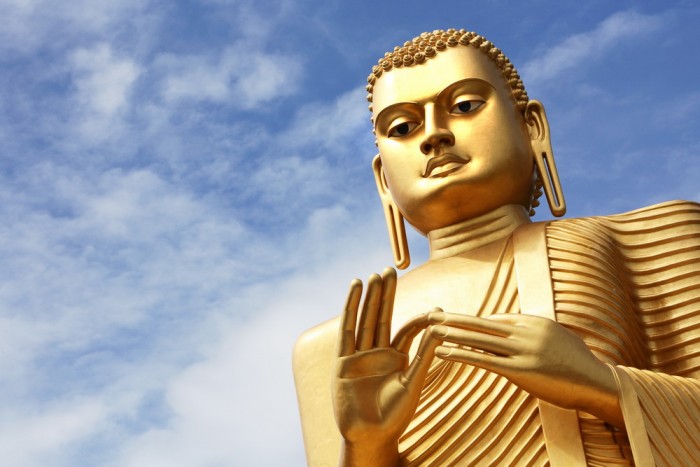
Continue round the Cultural Triangle to Dambulla, visiting the magnificent 12-metre-high standing Buddha statue hewn from the surrounding rock monolith at Aukana on the way.
Three nights at Amba Yaalu, which is a thematic resort celebrating the golden era of Sri Lankan cinema. Nestled amidst a lush and extensive mango plantation bordering the tranquil banks of Kandalama Reservoir, this unique property is the island’s first hotel fully managed and staffed by women.
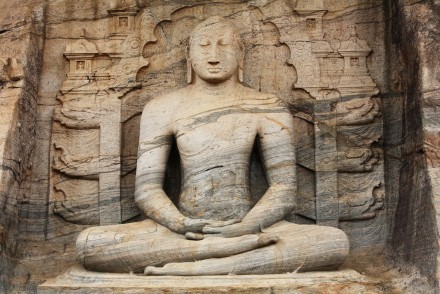
Visit the medieval capital of Polonnaruwa, with its historic temples and exquisitely carved statues.
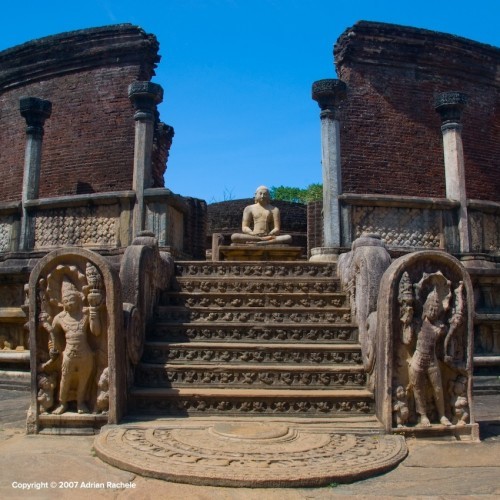
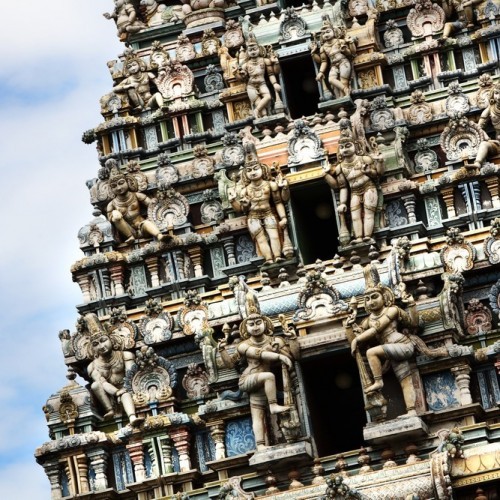
Ancient City. The centrepiece of the ancient city, the Dalada Maluwa (‘Terrace of the Tooth Relic’) or Quadrangle, was a sacred precinct containing 12 magnificent buildings constructed by the reigning kings. After the Sacred Tooth relic became the main symbol of royal dignity, each ruler made sure they built their own Tooth Temple: Atadage (‘House of the Eight Relics’) was the first Tooth Temple built by Vijayabahu in the 11th century CE and on which the current one in Kandy is modelled; Gal Pota (‘Book of Stone’) is an enormous stone slab that has glowing inscriptions praising the work of its author, Nissanka Malla (!); Hatadage (‘House of 60 Relics’) resembles the Atadage, and it was built for the same purpose, when the protection of the Tooth Relic became a symbol of royal power; Latha-Mandapaya (‘Flower-scroll Hall’) was probably built for the chanting of protective religious texts; Sathmahal Pasada (‘Seven Storey Edifice’) is of a simple stepped design, but is deeply perplexing to historians – nothing else like it is seen on the island and it looks like a Babylonian ziggurat; the well preserved Thuparamaya is an image house built for the worship of the Buddha, a fusion of Indian and Sinhalese Buddhist architecture; Vatagade (‘Hall of the Relic’) is a circular building with a dagoba on concentric terraces with sculptured railings and remarkably graceful lines; Shiva Devale No. 1 is a 13th century CE Hindu temple of the Dravidian Indian architectural style with exceptional stone carvings.
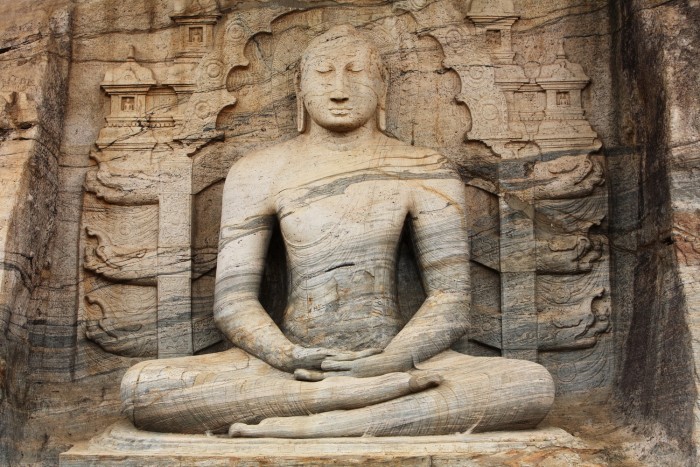
Northern Monuments. The perfection of the spire and the clarity of the statues round the drum of Rankot Vihara (‘Golden Pinnacle’), the largest dagoba in Polonnaruwa, are a tribute to the artistic perception of its master builder, Nissalanka Malla. Alahana Pirivena (‘Monastery of the Cremations’) owes its name to the fact that it was founded by Parakramabahu I on the site of an ancient cemetery. The imposing structure of the Baddhasima Pasada (‘Assembly Hall’) was used for reciting the common rules of discipline of the vinaya on poya nights. The impressive walls of Lankatilaka (‘Jewel of Lanka’) image house reach a height of 16 metres, and the unique brickwork is of extraordinary variety. Inside the shrine stands the headless statue of the Buddha, and the interior walls are adorned with excellent murals. ‘Milk-white’ Kiri Vihara, so named because of its unspoilt white plaster work when it was first discovered, is the best preserved unrestored dagoba on the island. The four rock-cut statues of the Buddha of the sublime Gal Vihara (‘Temple of the Rock’) are the high point of Sinhalese medieval carving and one of the foremost attractions on the island.
Royal Citadel Group. The Vejayanta Pasada, the royal palace of Parakramabahu, is still impressive, and the massive brick walls of the main hall stand amidst the ruins of about 40 rooms. The Audience Hall contains exquisite stone carvings and the stone base of this building is engraved with some perfectly preserved bas-relief friezes. Kumara Pokuna (‘Royal Bathing Pool’) is all that remains of the water gardens that once adorned the royal palace.
Southern Group. The highlight is the Statue of Parakramabahu/ Agastaya, a huge 12th century CE rock sculpture of great quality. The restored Pothgul Vihara, a gedige or image house, consists of four small dagobas surrounding a circular brick building on a central platform and the acoustics of this enigmatic building are excellent.
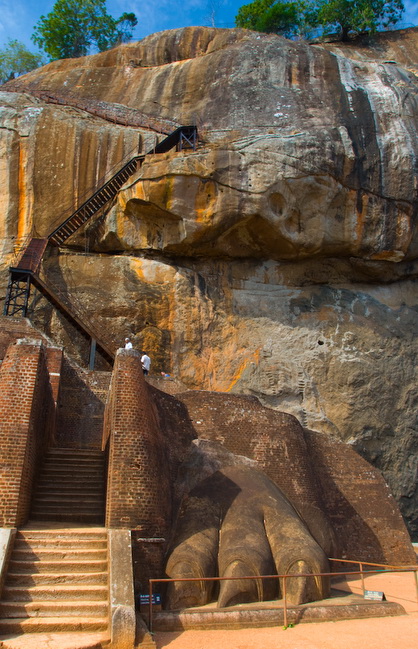
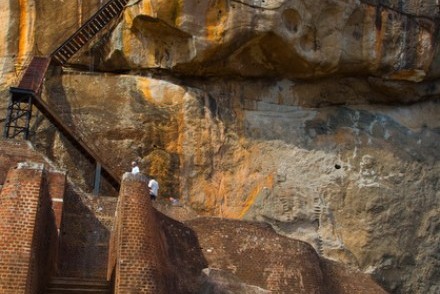
Early morning ascent of 200-metre high ‘Lion Rock’ at Sigiriya to view the surrounding countryside at dawn – a very special experience indeed. The unique rock fortress of Sigiriya is a national icon, despite its origins as a usurper’s pleasure palace housing erotic frescoes! Guided tour of the rock palace and ornamental gardens.
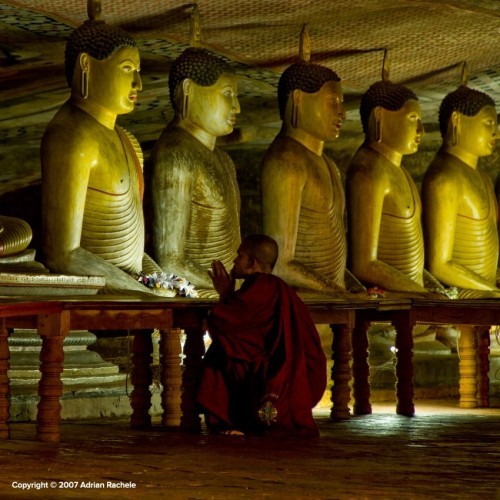
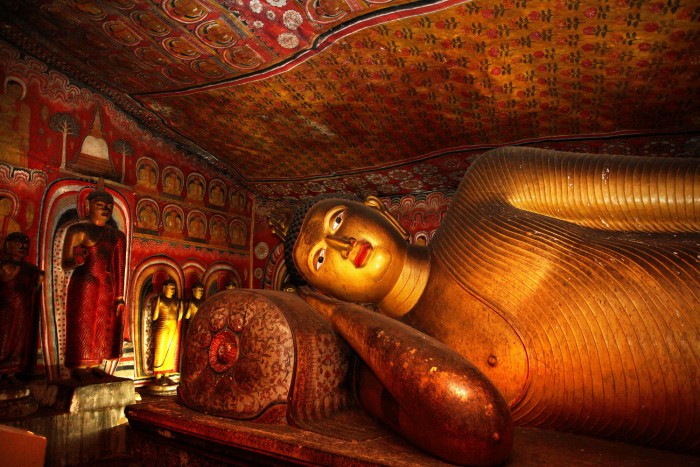
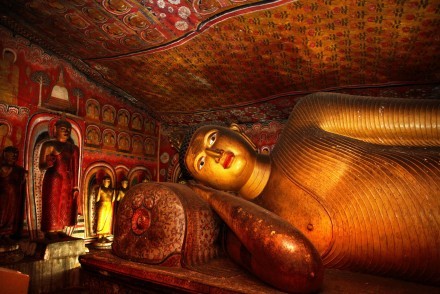
Climb gently up the granite massif at Dambulla to visit the most impressive cave temple complex in Sri Lanka, with five ornately and intricately decorated caverns under a vast overhanging rock, carved with a drip line to keep the interiors dry. Monastic buildings have been built in front of the caves, complete with cloisters, and these in turn overlook a courtyard containing a sacred Bo tree, which is used for ceremonial purposes. The caves have a mixture of religious and secular paintings and sculptures, with ornate and intricate ceiling frescoes showing scenes from the Buddha's life and Sinhalese history. Although the monastery was founded in the 1st century BCE, the site has been refurbished in the 11th, 12th and 18th centuries CE.
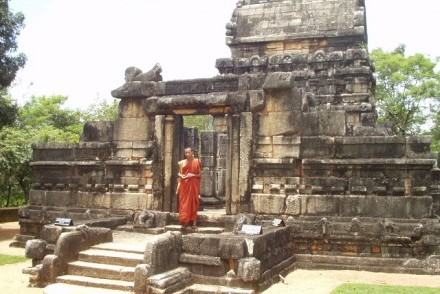
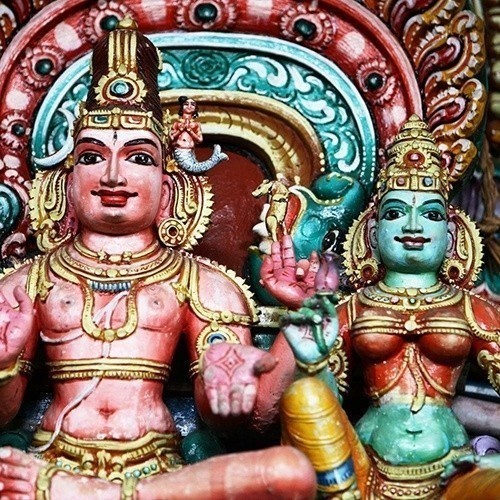
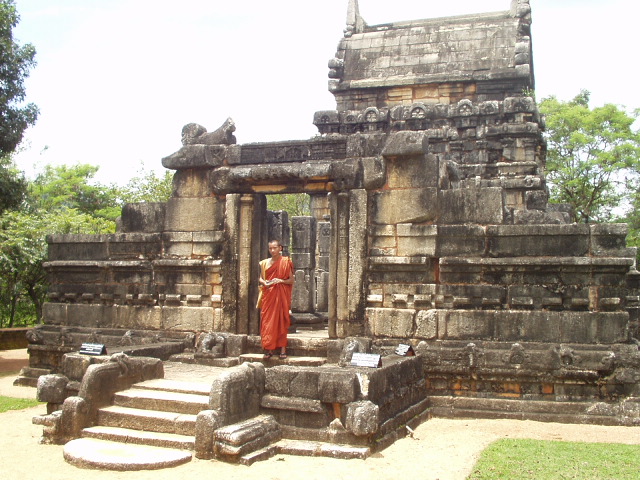
Visit the Dravidian-influenced stone temple at Nalanda.
Visit the rock temple and scriptorium of Aluvihara.
Continue to Kandy, one of the principal points of the Cultural Triangle and the seat of the last Sinhalese kingdom. The second city of Sri Lanka has a picturesque setting around its lake, a rich historical and cultural heritage, a comfortable Mediterranean-type climate, and UNESCO World Heritage Site status.
Two nights at Hanthana House, which is a friendly and welcoming homestay guesthouse offering a comfortable stay in attractive surroundings in an area famous for cultivating some of the first tea grown on the island, with the added benefit of tasty and authentic Sri Lankan home cooking!
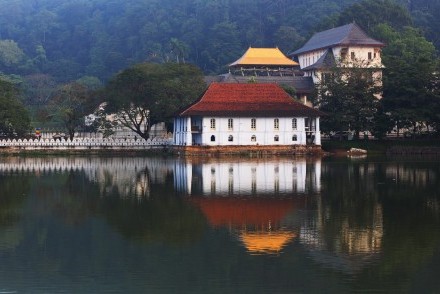
Experience the Buddhist puja (blessing ceremony) at the Temple of the Tooth, which houses Sri Lanka’s most revered religious relic.
Kandy is the perfect size to be explored on foot, since the altitude (500 metres above sea level) makes the climate conducive to long and leisurely strolls. A guided walking tour of the city will take in the Hindu devales (temples), the lake and the municipal market.
Visit the beautifully kept and well-presented Peradeniya Botanic Gardens on the outskirts of Kandy.
Enjoy a performance of the famous Kandyan Dancers and Drummers, with a fire-walking finale.
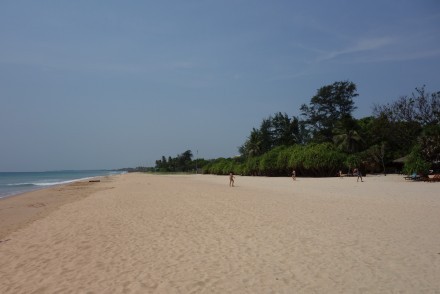
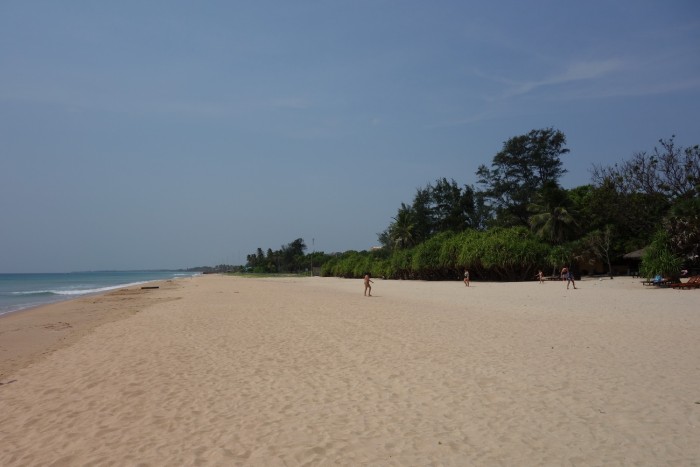
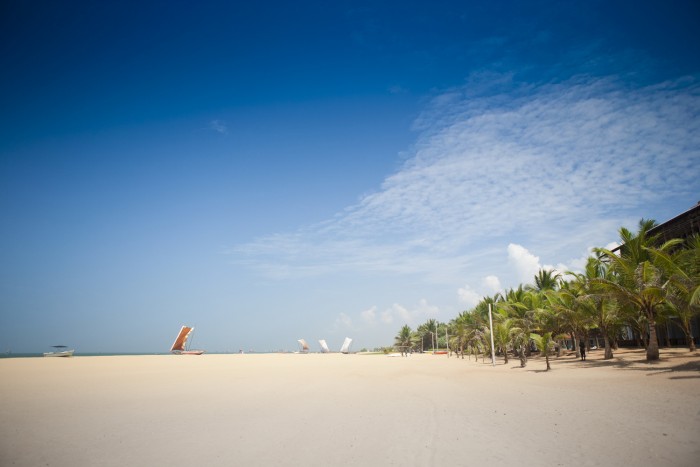
Stay for five nights at either Nilaveli on the east coast (May to September) or Negombo on the west coast (November to April).
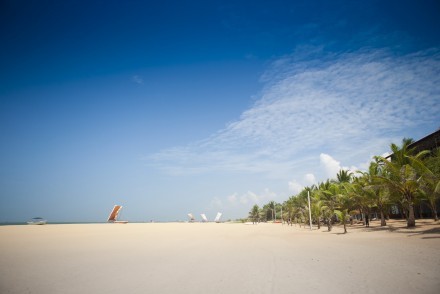
Nilaveli Beach Hotel has a superb beachfront position within a palm grove overlooking nearby Pigeon Island, a favourite site for snorkelling. The shady garden is a welcome haven during the heat of the day, with a large swimming pool to cool off in and a beachside cabana bar serving light meals. The hotel opens out directly onto Nilaveli’s soft white sandy beach that seems to stretch endlessly along the east coast and which is lapped by the clear shallow waters of the azure blue Indian Ocean.
Jetwing Sea is a contemporary coastal resort that blends the finest of tropical luxury with traditional Sri Lankan hospitality on the buzzing beach strip of Negombo. The hotel is committed to several sustainable initiatives which empower the local community, harness the potential of the surrounding environment, and deliver a fulfilling experience of responsible tourism.
If staying on the east coast, drive across the island to Negombo for an overnight stay before transferring to the airport nearby for your flight home the following day.
If staying on the west coast, transfer to the airport for your flight home.