South
Experience the Exotic Wildlife of Sri Lanka
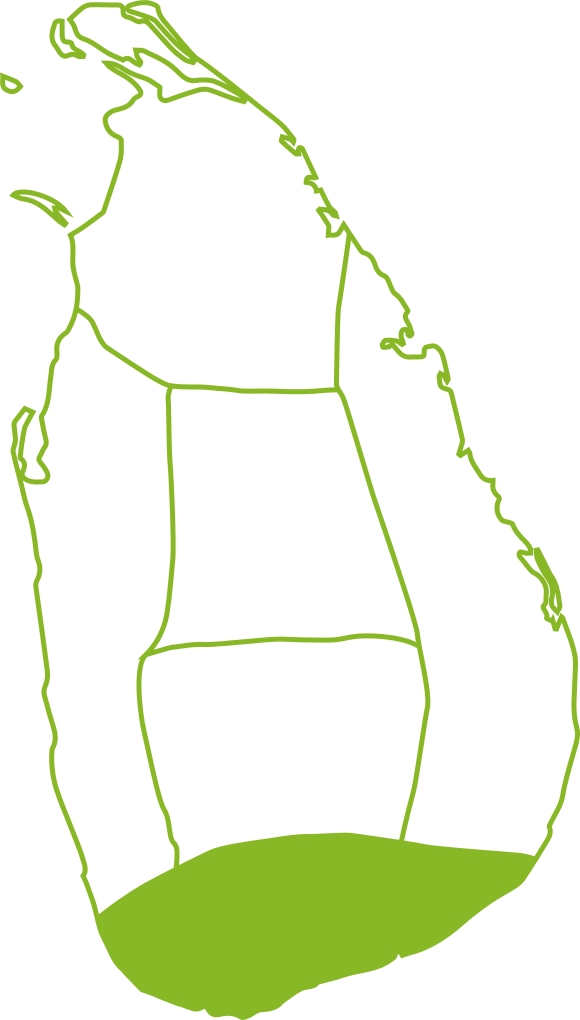
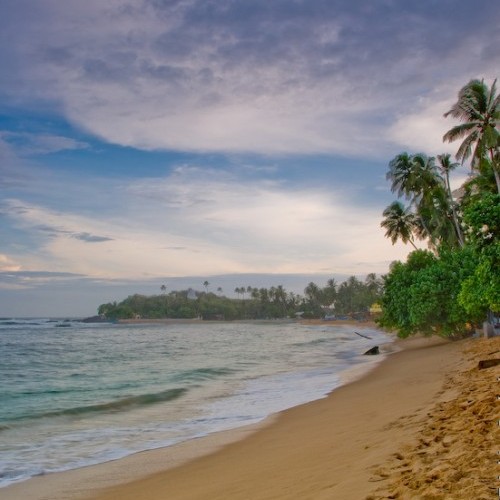
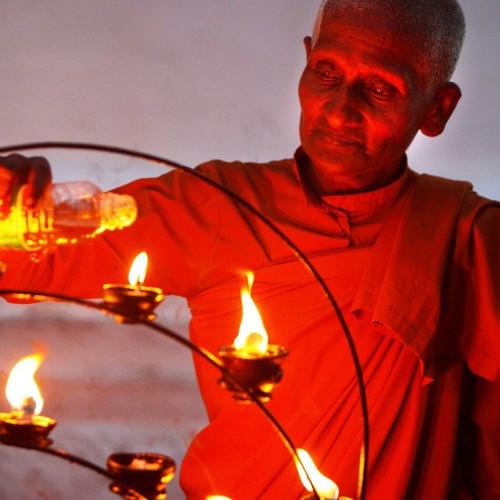
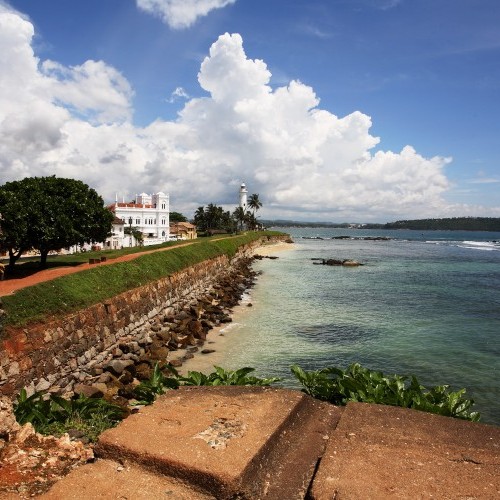
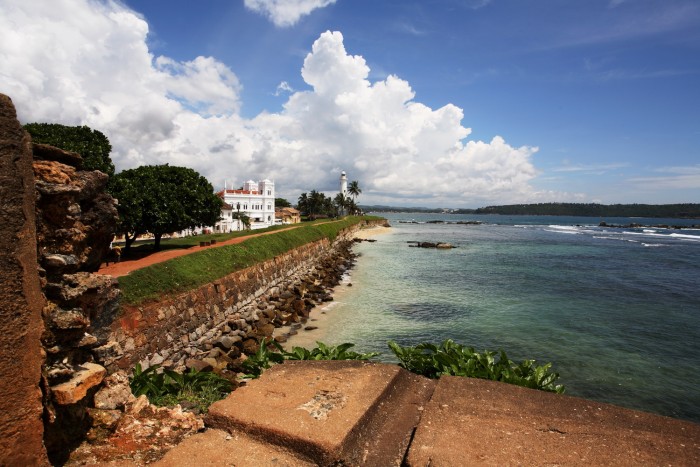
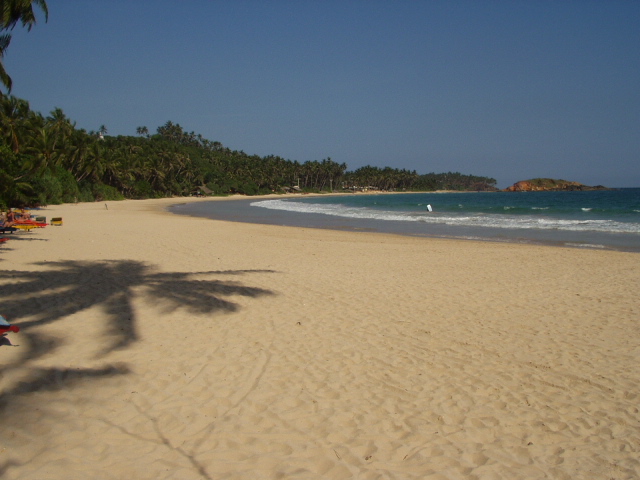
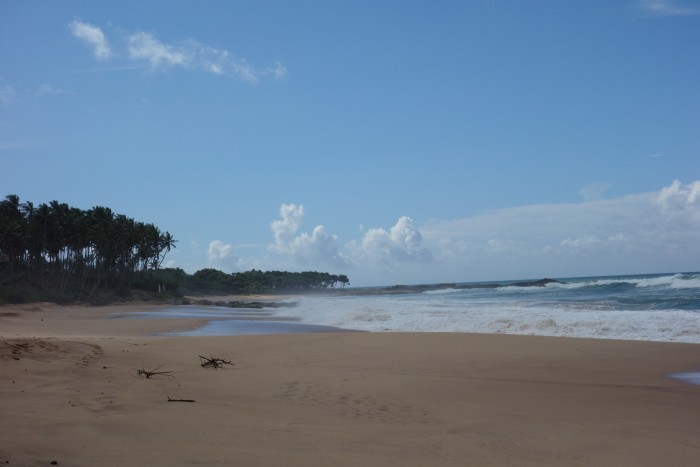
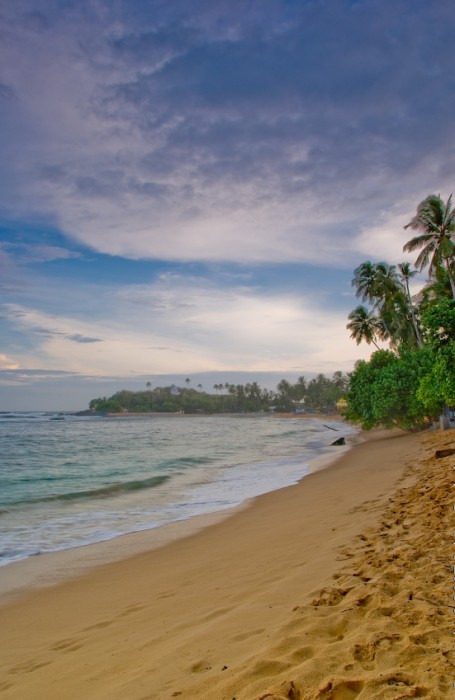
The south of the island is blessed with palm-fringed sandy beaches lapped by the warm waters of the Indian Ocean and a host of wildlife viewing opportunities, including leopards, elephants and whales. Still the heartland of a traditional Sinhalese way of life, where paddy fields, coconut palms and stilt fishing predominate, the south’s historic autonomy from the rest of the island as well as foreign incursions has shaped the regions fortunes and society. The ancient kingdom of Ruhunu, as the region is still often called, remained steadfast while periodic incursions from India invaded and controlled the north of the country. Isolated and independent, Ruhunu preserved traditional Sinhalese culture and customs even when Galle and Matara became important sea ports for the ever-expanding colonial trade routes. With the rise of Colombo as the island’s commercial powerhouse, the south’s fortunes declined and the region became a quiet backwater once again. With the ropening of the Southern Expressway between Colombo and Hambantota, Sri Lanka’s first motorway, and the building of an international airport near Hambantota, the region is gearing up for its first real invasion – tourists.
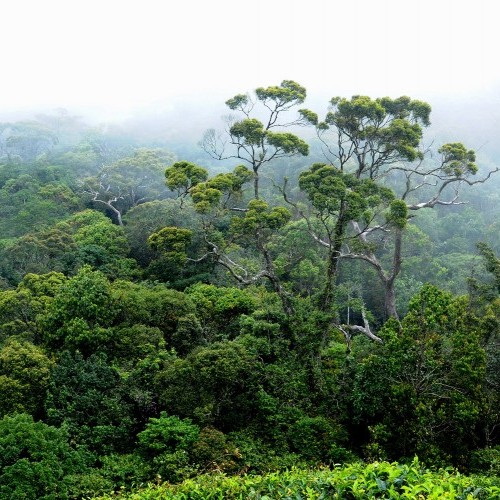
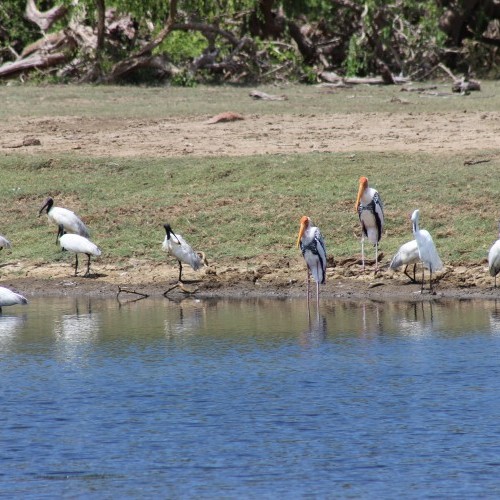
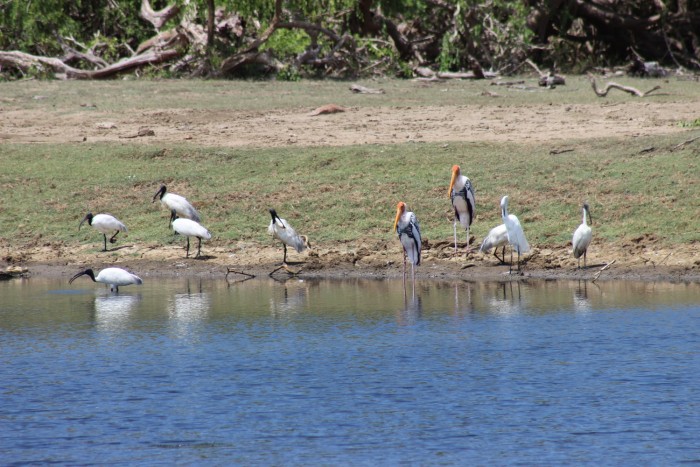
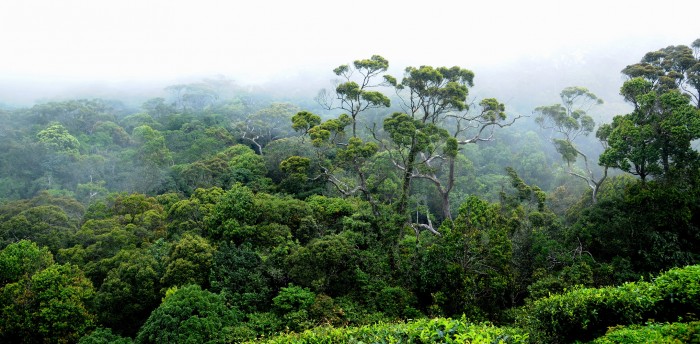
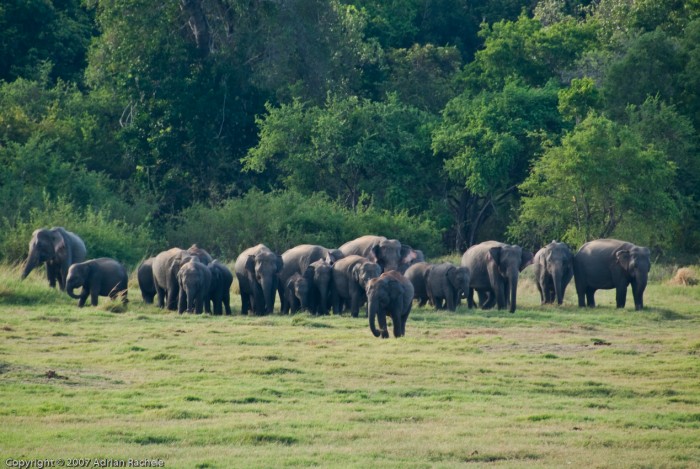
Wildlife and beaches are a heady combination for an extra-special holiday. The national parks of Yala, Udawalawe, Bundala and Sinharaja are all in striking distance of the coast. Yala is famous worldwide as the place to spot leopards in the wild, Udawalawe is home to vast herds of elephants as well as an elephant sanctuary, Bundala hosts an invasion of water-borne birds, and Sinharaja is one of the last tracts of virgin rainforest on the island where many endemic birds reside. Then on the coast itself there is whale and dolphin watching from Mirissa, Kalametiya bird sanctuary towards Hambantota, and Rekawa near Tangalle for turtles – whetted your appetite yet?! The southern coastline boasts long strands of golden sandy beaches interspersed with rocky bays. From Unawatuna near Galle on the western extreme to the new frontier of Yala in the east, the beach hotels and villas on offer are generally intimate places to stay and many are situated well away from towns and villages. Welcome to peace and tranquillity!