Powered By Optimal Payments

Other Places

Adam's Peak
Buduruwagala
Galle
Kataragama
Kitulgala

Kitulgala
Then……and now

Southwest of Kandy and north of Adam's Peak, Kitulgala hugs the Kelani Ganga (River) as it meanders through the Sri Lankan 'jungle'. Made famous by the Oscar-winning epic Bridge on the River Kwai, which was filmed here in 1956 by Sir David Lean, Kitulgala is now a popular area for nature walks and bird-watching, and it is one of the few places in Sri Lanka where white-water rafting is possible.

Why visit Kitulgala?

Nestling between the hot sandy beaches of the West coast and the vertiginous Hill Country, Kitulgala is a convenient place to break your journey either into or out of Sri Lanka's cooler 'Up Country' region. Whether interested in nature walks, bird watching, white-water rafting, or relaxation, Kitulgala is a quiet and peaceful retreat.

Kelani Valley Forest Reserve

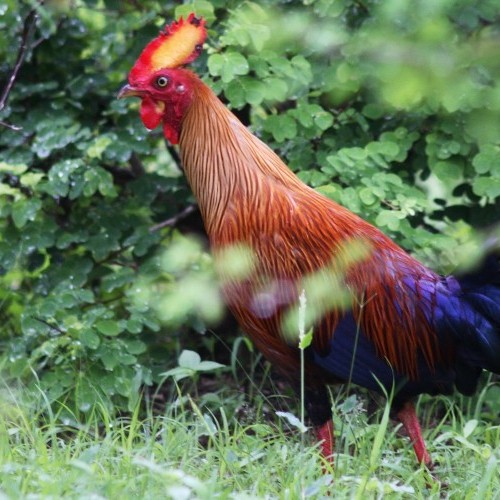
Although the nature trails in the Kelani Valley Forest Reserve offer similar bird-watching opportunities to Sinharaja Biosphere Reserve, this area is still well worth a visit. Like Sinharaja, the lowland rainforest around Kitulgala is one of the best spots to see endemics on the island. For example, the Sri Lanka Hill Munia, Chestnut-backed Owlet and Sri Lanka Small Barbet are all resident here, and the Green-billed Coucal is certainly easier to see at Kitulgala than at Sinharaja.

White-water Rafting

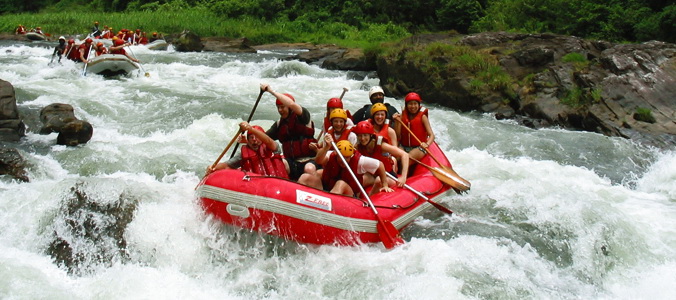
The Kelani River offers three different sections for white-water rafting. Most people who are beginners will head for the middle section, which has ten Grade 2 or 3 rapids separated by peaceful stretches of calm water. The more challenging upper section has very few calm stretches between rapids and is popular with intermediate rafters. The lower section is calm enough for children to be introduced to this adrenaline-inducing water sport.

Belilena Cave

Belilena Cave, which is about 10 km from Kitulgala high up in the Inoya Estate, is one of the larger prehistoric caves on the island, where the 12,000-year-old skeletal remains of ’Balangoda Man’ (Homo sapien balangodensis) were found. The prehistoric settlements of the area date back to a very early period, as shown by recent cave excavations as well as those carried out at other sites. The earliest settlement dates back to around 29,000 years ago. Skeletal remains, microliths, bone implements, cherts and food remnants have been found in local caves. Evidence of prehistoric animals has established that hippopotamus, rhinoceros, lion and three species of elephant lived in the area.