Hill Country
Experience the Natural Scenery of Sri Lanka
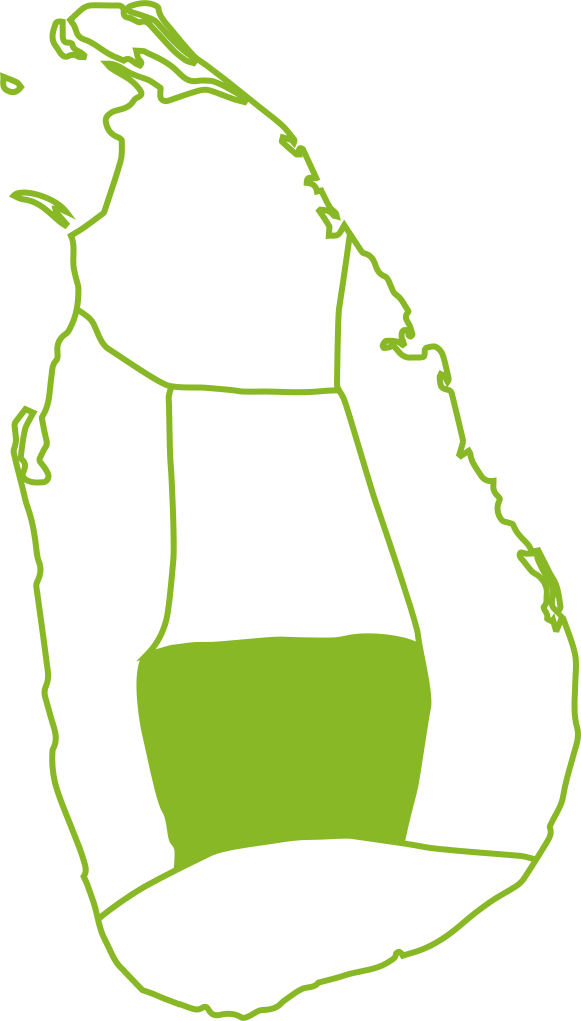
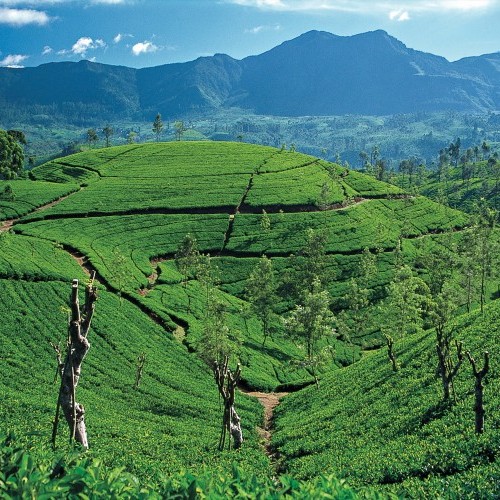
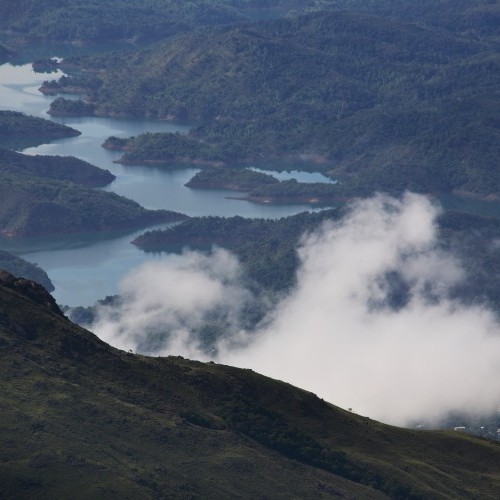
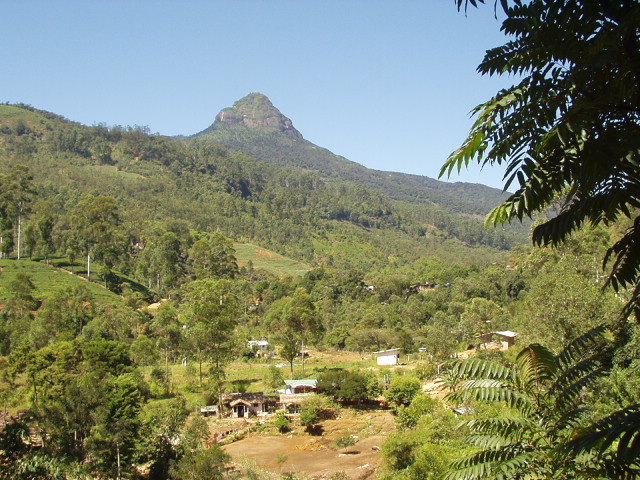
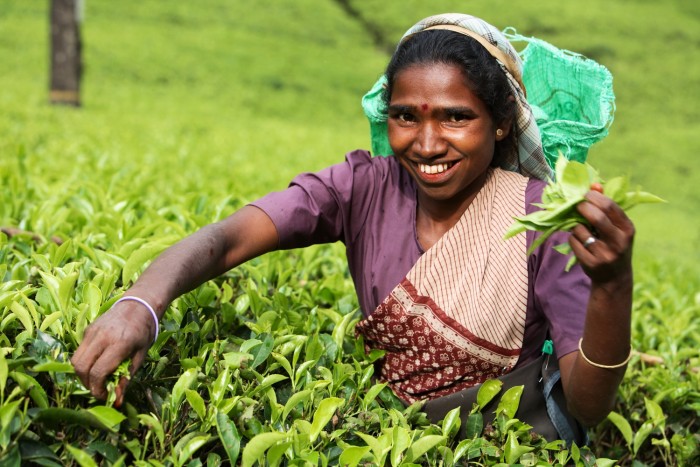
The mountainous region of Sri Lanka, which is usually referred to as "Up Country" or the "Hill Country", is most famous for its tea plantations, but it was coffee that impelled the first planters to clear the forests. However, in 1869, the coffee industry began to decline when the first case of a fungal leaf disease was diagnosed. Within a few years, this disease attacked almost all of the country's plantations, sealing the fate of its coffee production and the island's most lucrative export. Financially ruined, the planters turned their aspirations to tea with even more determination. The abundant rainfall combined with the sunshine, cold nights and mists offered the perfect climate for producing high grown, aromatic teas. So the world-famous industry of Ceylon Tea was born.
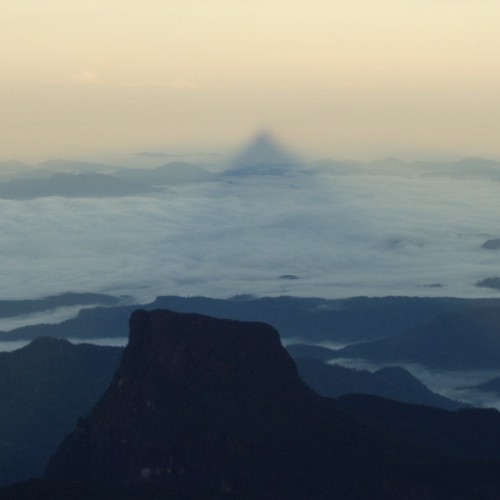
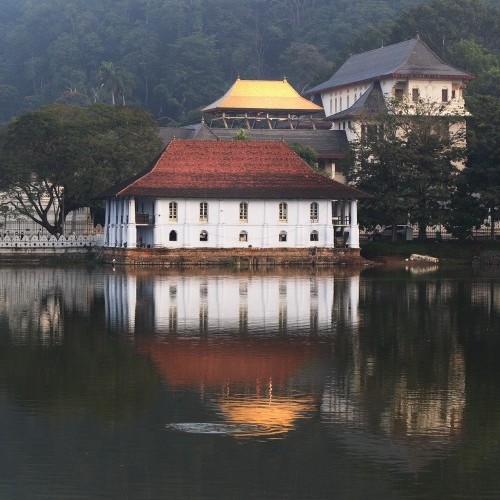
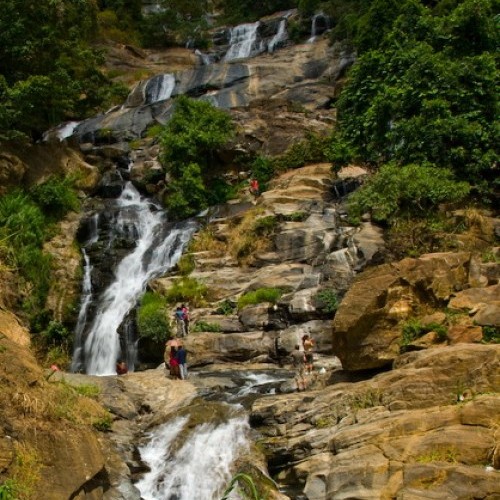
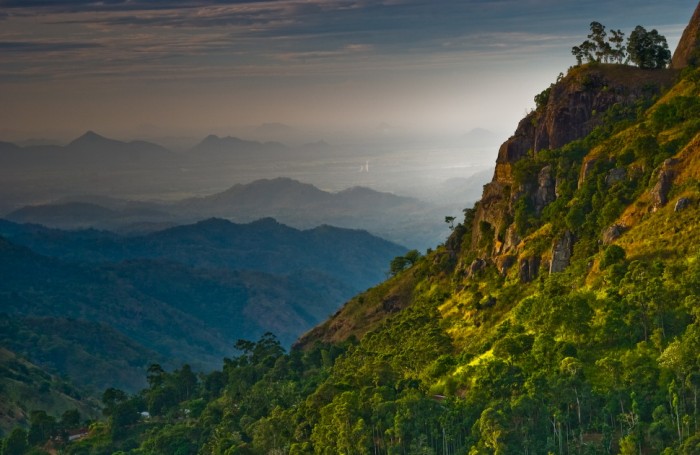
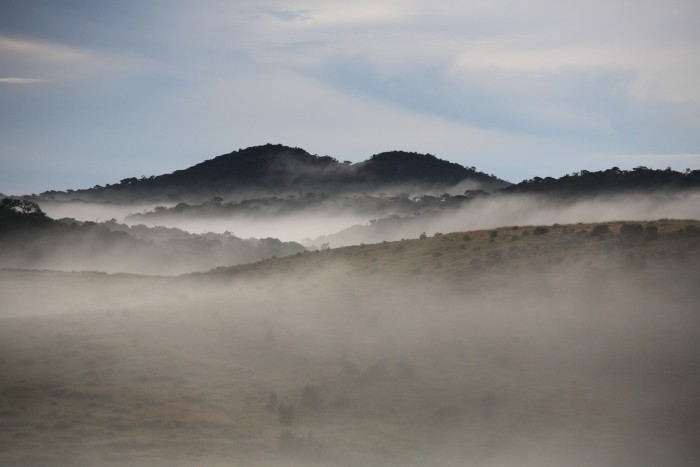
There is far more to these uplands than the endless valleys of closely cropped tea bushes, processing factories belching out fragrant aromas, and the brightly coloured saris of south Indian Tamil workers picking their way through millions of "two-leaf-and-a-bud", so that the very best will end up in your tea cup. Everywhere you turn, a waterfall more impressive than the last cascades down spectacular mountains, blowing air scented with wild mint and eucalyptus. There are quaint, sleepy hill towns, botanical wonders and fascinating wildlife in the wilderness of Horton Plains, spectacular views from World's End and Ella Gap, caves and caverns associated with mythology, and then there is the capital of the region, Nuwara Eliya, where there is still a strong British colonial heritage in the form of Victoria Park, the Hill Club, a world-class golf course and a horse racing circuit.