Nilaveli
Coral White Sand and Pigeon Island

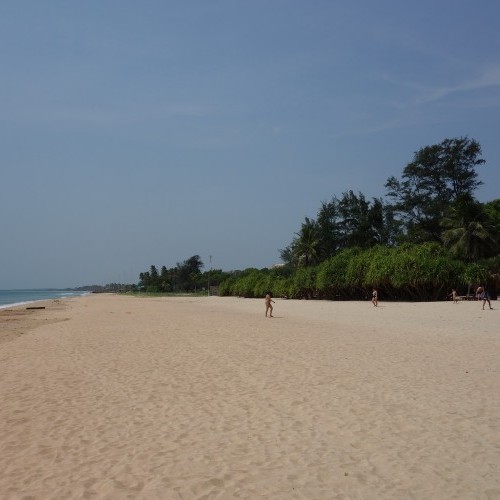
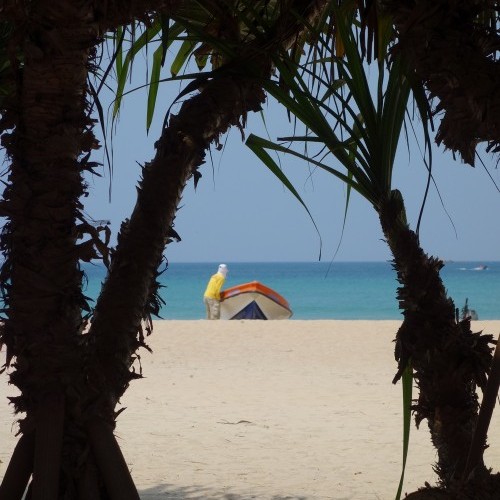
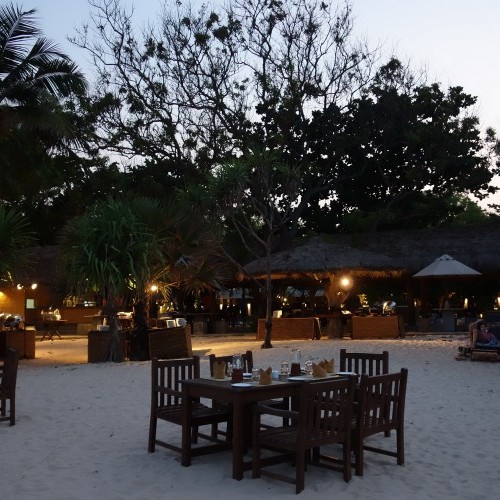
Nilaveli, 16 km north of Trincomalee on Sri Lanka's east coast, is a small fishing village, but its attraction is the inviting soft white sand beach, which is safe for swimming outside of the northeast monsoon season (December to March). The beach is a stunning location for bathing, basking and snorkelling, helped by the Screw Palms, with their prop-like roots, which grow securely in the sand and provide some shade. The lack of large numbers of tourists and a limited number of places to stay means there is the added bonus of the absence of persistent hawkers on the beach, so far... Nothing like the beach developments along the island's west coast, these beaches are still unspoilt and relatively quiet, although new resorts are opening and much of the oceanfront land is already earmarked for development at some stage.
Nilaveli's long strand of beach is still mostly deserted, and sea eagles circle overhead in search of prey. The hospitality of the local people, mainly Tamil, is generous and genuine. Here, in contrast to some of the beach resort areas on the west coast, they are not after your money. You might come across people collecting shells, who sell what they collect to visitors, both Sri Lankan and foreign, staying in the Nilaveli beach area, but the attitude and persistence are nothing like the hawkers elsewhere around the island.
Uppuveli, between Nilaveli and Trincomalee, and Kuchchaveli, just north of Nilaveli, are also quiet and laid back places to stay in the vicinity, and beaches further north along the east coast are now being eyed up by hoteliers.
What to See and Do
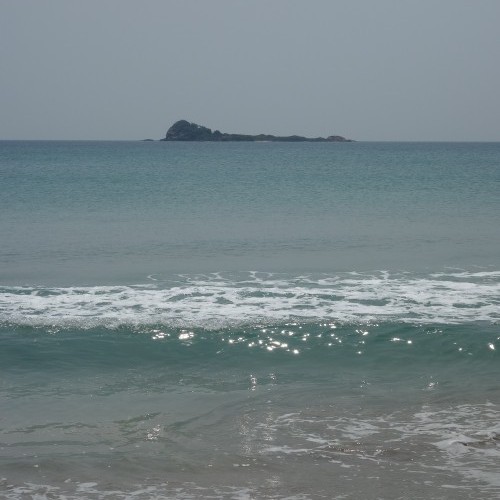
Various boat-based activities are possible from Nilaveli including a trip to Pigeon Island for snorkelling and safaris to spot whales and dolphins as well as diving and fishing excursions. On shore, Trincomalee, Kanniyai Hot Springs and Velgam Vihara are within easy reach.
Read More Trip Planner