Cultural Triangle
Experience the Living History of Sri Lanka
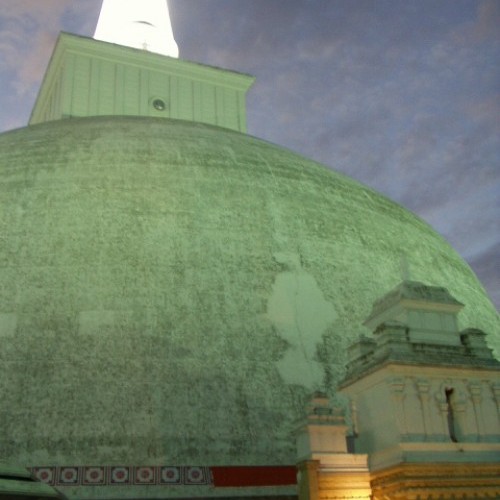
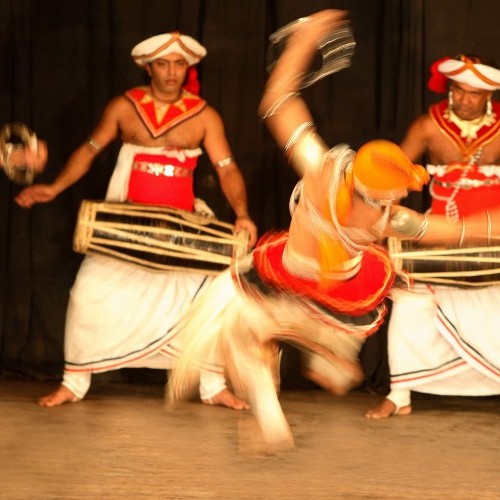
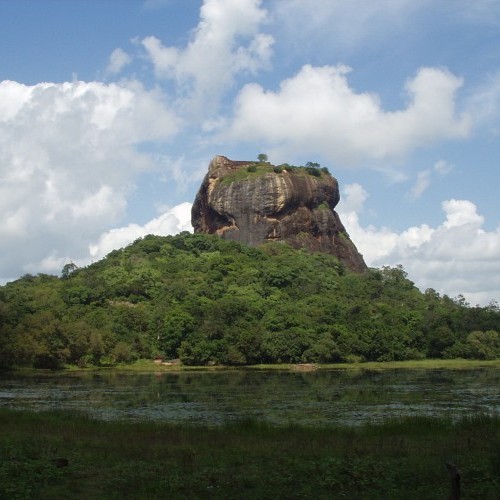
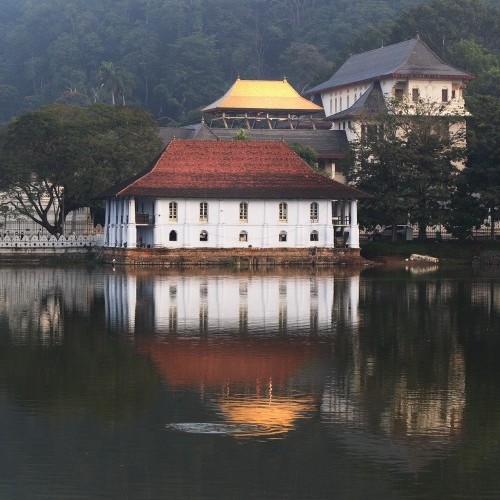
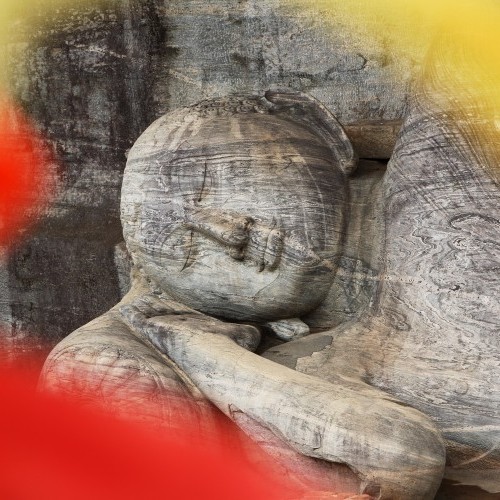
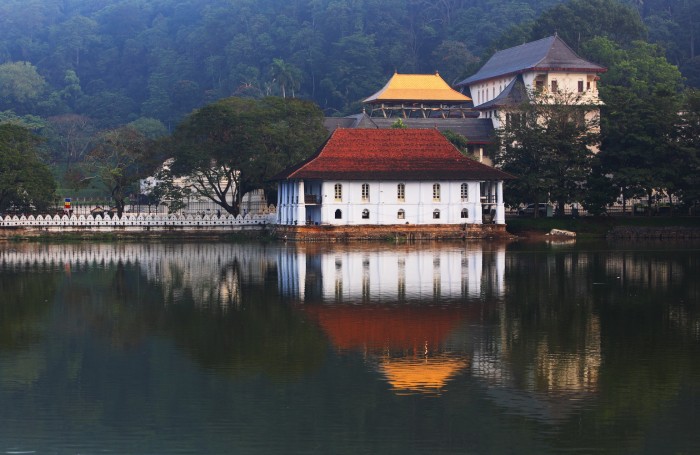
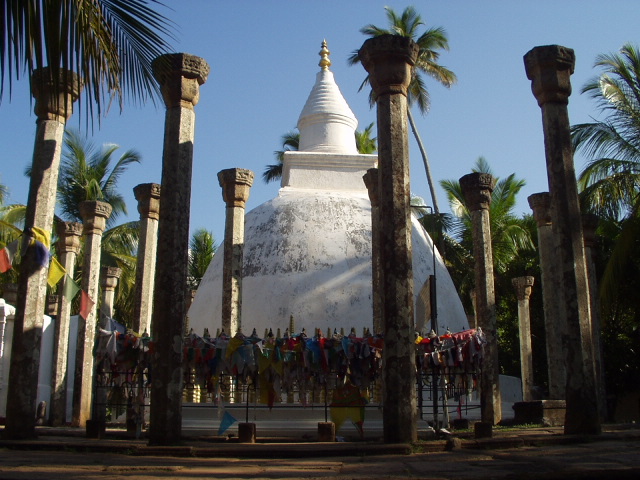
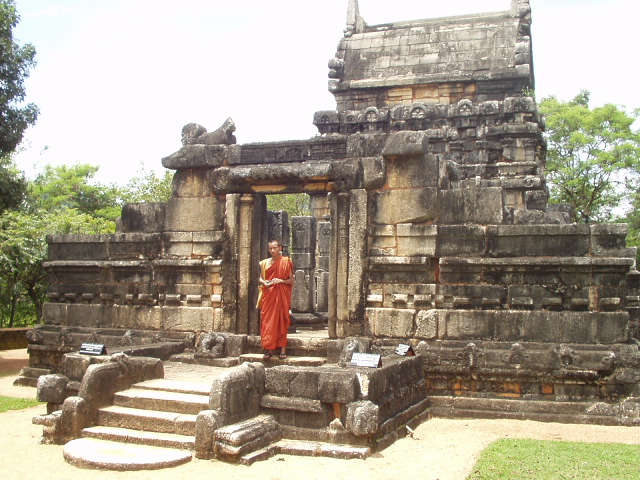
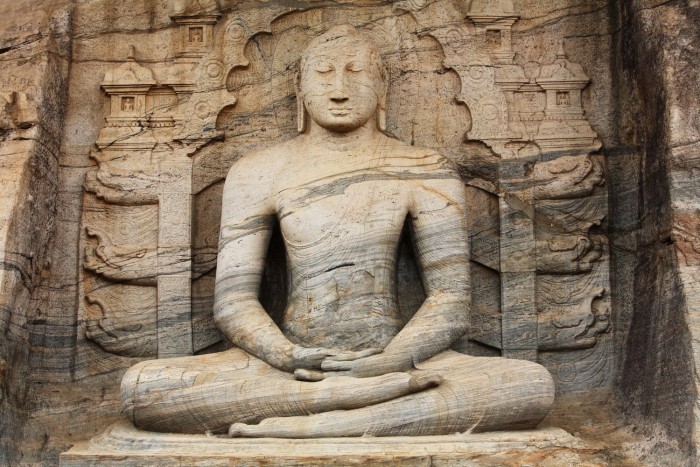
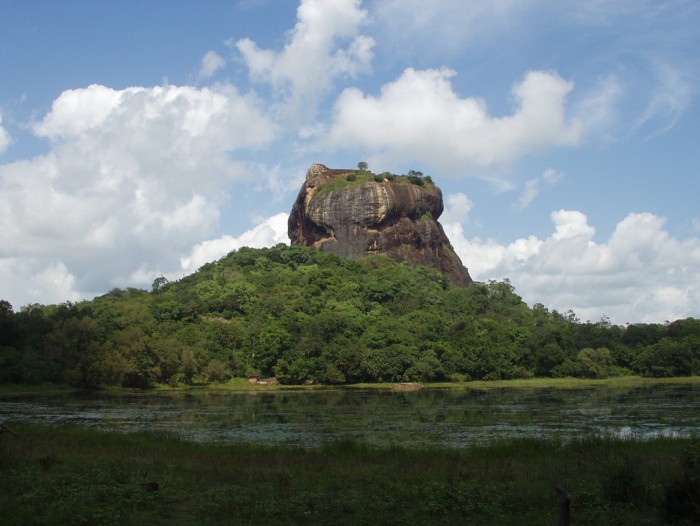
The island’s Cultural Triangle, or ancient cities’ area, is home to no less than six of the country’s eight World Heritage Sites, with the oldest dating back to the 3rd century BCE. Although these sites are principally of an historic interest for foreign visitors, they are by no means cold, stony monuments since all of the temples, dagobas and stupas are still places of worship and veneration for locals, which makes them profoundly atmospheric and full of life, especially during the frequent religious festivals.
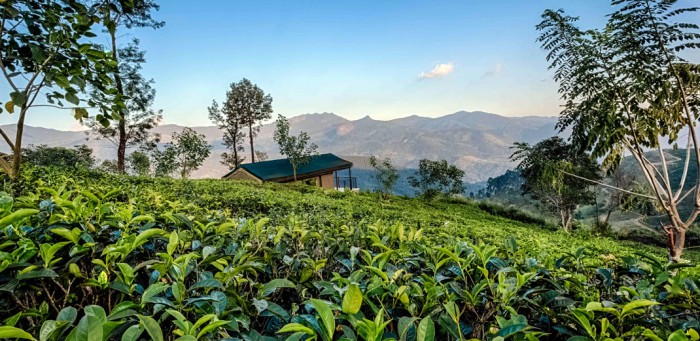
History and antiquity may be the bywords of the area bounded by Anuradhapura, Polonnaruwa and Kandy, but there is much more of interest within the Cultural Triangle. Minneriya and Kaudulla National Parks form an ‘elephant corridor’ for the vast herds roaming the eastern region of the country. Matale is one of the island’s main spice growing areas, and the Knuckles Mountain Range is a natural wonderland of precipitous peaks, lush valleys, rushing rivers and cascading waterfalls, a hiker’s Garden of Eden.